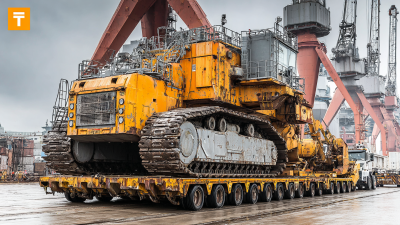
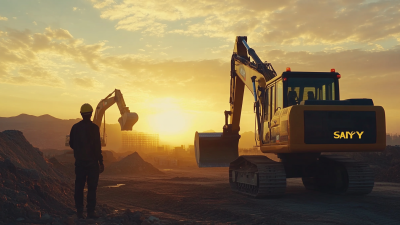
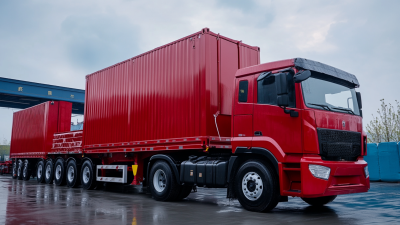
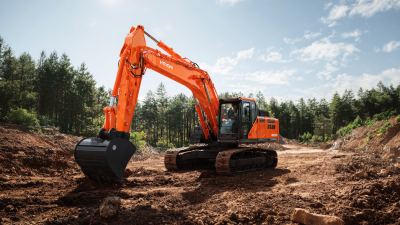
In today’s fast-moving industrial world, heavy machinery transport has become more important than ever. Honestly, with the global market for heavy machinery expected to hit around $200 billion by 2025, the need for dependable transportation solutions just keeps growing. Companies like Linyi Weiman Import and Export Co., LTD. have really established themselves as key players, providing top-notch construction equipment like wheel loaders, excavators, and backhoes. Making sure these big machines are transported properly isn’t just about getting them from point A to B — it’s all about keeping everything running smoothly on the job site and avoiding costly delays. Safe and efficient delivery really makes a difference, you know?
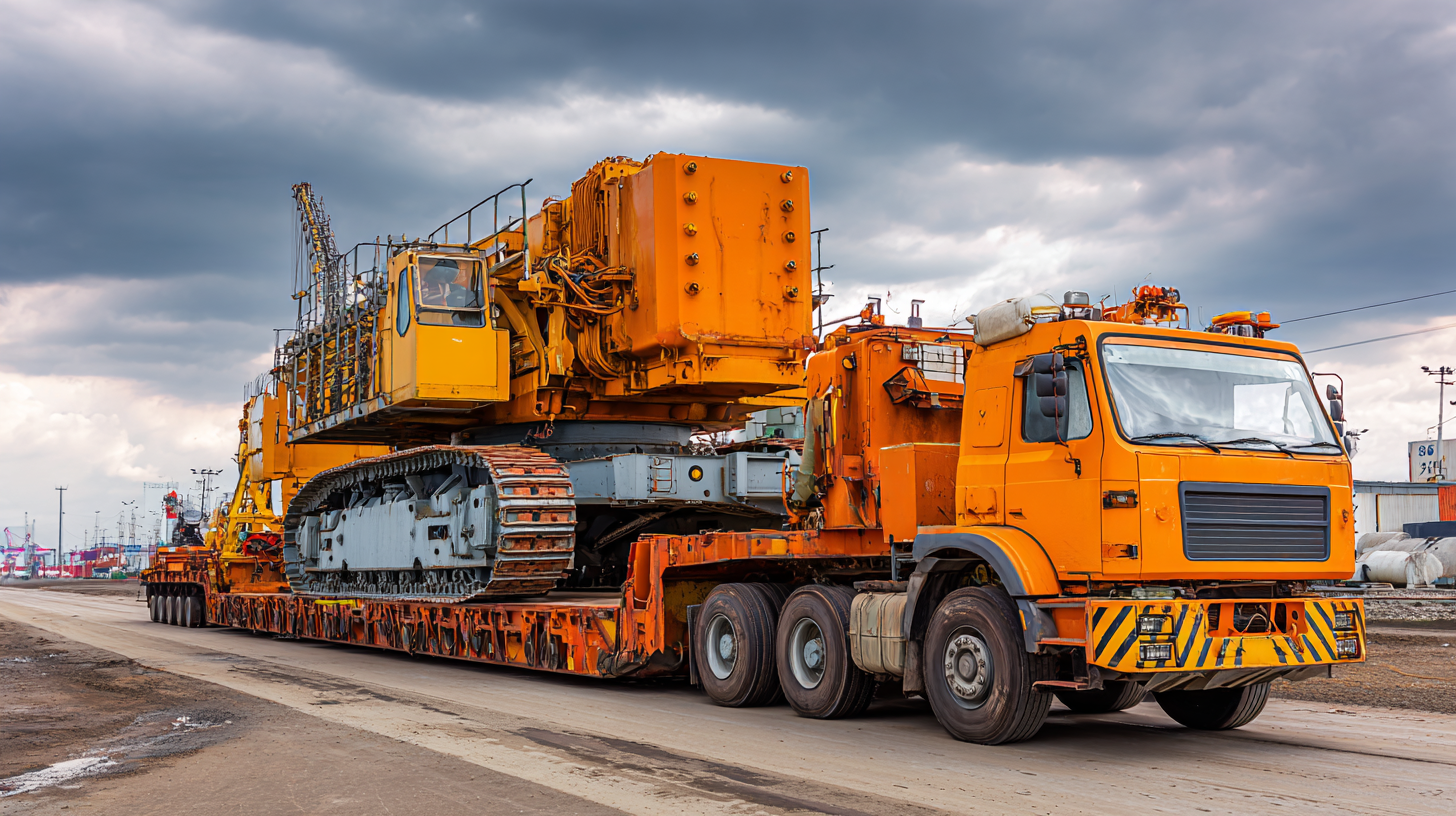
Transporting heavy, complex equipment across different terrains can be quite a logistical challenge. Industry experts say that by fine-tuning transportation methods, companies can cut costs by up to 20%. That’s why choosing the right logistics partner is such a big deal. With Weiman’s solid experience and know-how in exporting heavy construction gear, they’re super important in helping make the process efficient and tailored to what the construction industry needs today. As projects get bigger and more complicated, the role of heavy machinery transport isn’t going anywhere — it’s actually becoming more vital to the whole industry’s success.
Significance of Heavy Machinery Transport in Modern Industries
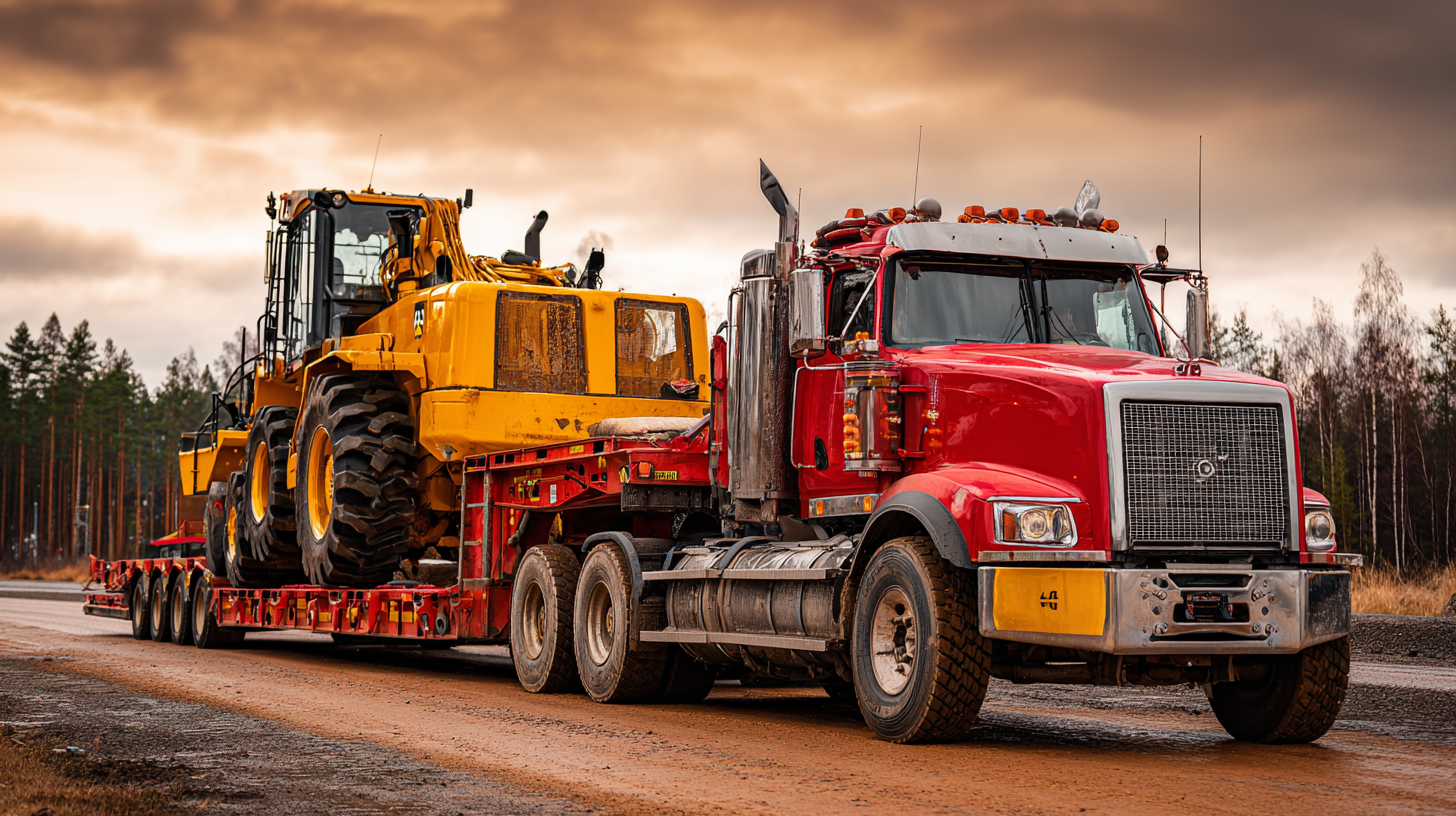 Heavy machinery transport really is a big deal in today’s industries, acting like the backbone for sectors like construction, mining, and manufacturing. As these industries grow and change, it’s becoming more and more crucial to have reliable ways to move heavy equipment around. Not only does moving this stuff boost productivity, but it also helps ensure projects get finished on time and don’t blow up the budget. If you don’t have proper transport methods, even the coolest, most advanced machines can end up sitting idle or worse—causing delays and extra costs.
When you're hauling heavy machinery, there are a few tips that can make things run smoother and safer. First off, always give the equipment a good check-up before hitting the road—look for any issues that could cause headaches during transit. Next, pick a transportation company that specializes in heavy-duty stuff and has a solid track record with logistics and permits. And don’t forget to plan your route ahead of time—it helps you avoid low bridges, weight limits, or other obstacles that could turn a smooth trip into a nightmare.
In today’s industrial world, how we transport heavy machinery really can’t be overstated. As technology gets smarter and machines bigger and more complex, we need specialized transport solutions. Companies that put effort into efficient machinery moving don’t just run smoother—they also stay competitive in a fast-changing industry landscape. It’s pretty clear: good transport plans aren’t just a nice-to-have; they’re a must if you want to keep up and stay ahead.
Key Factors Driving Demand for Heavy Machinery Transport Services
Lately, there's been a pretty noticeable jump in the demand for heavy machinery transportation services, and honestly, it makes sense given what's happening in the industrial world right now. If you peek into reports like the one from IBISWorld, you'll see that the construction industry is really fueling this growth. They’re saying it’s going to keep climbing at about 4.5% a year for the next five years. With projects around the world getting bigger and more ambitious, companies need dependable ways to move heavy stuff — like excavators and cranes — quickly and safely. That’s why specialized heavy machinery transport isn’t just a nice-to-have anymore; it's pretty much a must if you want to meet your deadlines.
And let’s not forget how tech is shaking things up. According to Research and Markets, tools like GPS tracking and real-time monitoring systems have made things way more efficient. Plus, businesses are saving up to 20% on transportation costs thanks to these smart logistics solutions. It’s all about staying ahead of the game in a competitive market, you know?
**Quick tip:** When you're choosing a heavy machinery transport service, make sure they’ve got plenty of experience with the kind of equipment you have. Also, double-check that they follow all safety regs—nothing’s worse than costly delays because of avoidable issues.
On another note, with more companies aiming to go green, eco-friendly transport options are becoming more popular. A survey from McKinsey shows that about 60% of businesses are actually willing to put money into greener logistics. It’s pretty exciting because it means folks want to do right by the environment while still getting their equipment moved efficiently.
**Another tip:** Work with transport providers who offer sustainable options—it's not just good for the planet, but also shows your company cares about corporate responsibility and staying in line with regulations.
Challenges in Heavy Machinery Transport: Safety and Logistics
You know, moving heavy machinery around is kind of a big deal in today’s industrial world, especially for companies involved in construction and building infrastructure. As the demand for things like wheel loaders, excavators, and motor graders keeps climbing, companies like Linyi Weiman Import and Export Co., LTD. really step up to supply these big machines. But let’s be honest — transporting such massive and complex equipment isn’t just a walk in the park. It comes with its own set of challenges, especially when it comes to safety and logistics.
Safety, of course, is a top priority here. The risk of accidents during loading, hauling, or unloading can be pretty serious — not just for the workers but also for the machinery itself. That’s why proper training, sticking to safety rules, and making sure you’re using the right transport vehicles are absolutely crucial. On top of that, navigating tricky routes, tight schedules, and coordinating with different teams can get really complicated. Companies need to plan carefully and manage their logistics well if they want to get their heavy equipment where it needs to go, on time and in one piece — especially with how fast things move in this industrial world.
Innovative Technologies Transforming Heavy Machinery Transport
Transporting heavy machinery has become a pretty important part of today's industrial scene, especially with sectors like construction and mining really booming. Thanks to some pretty cool new tech, moving these massive machines around has gotten a lot easier and safer. A report from Research and Markets even predicts that the global market for heavy equipment transport will grow at about 5.7% each year between 2022 and 2027. That growth is driven by advances in telematics and automation—tech that helps us work smarter, not harder. These innovations make the whole process more efficient, safer, and cheaper, which is a big deal for companies dealing with heavy-duty construction gear.
Here at Linyi Weiman Import and Export Co., LTD., located in Linyi City, Shandong province, we totally get how important these new tech solutions are for our business as a leading supplier of heavy construction equipment. We offer everything from wheel loaders and mini loaders to backhoes, skid steers, excavators, and motor graders. By using smart transport options—like route planning software and high-tech tracking systems—we make sure our machines get to customers quickly and smoothly. It’s all about supporting their projects and helping them get more done. These tech upgrades really help us stay on top of the logistics game and meet the demands of modern industry without breaking a sweat.
Best Practices for Efficient Heavy Machinery Transportation
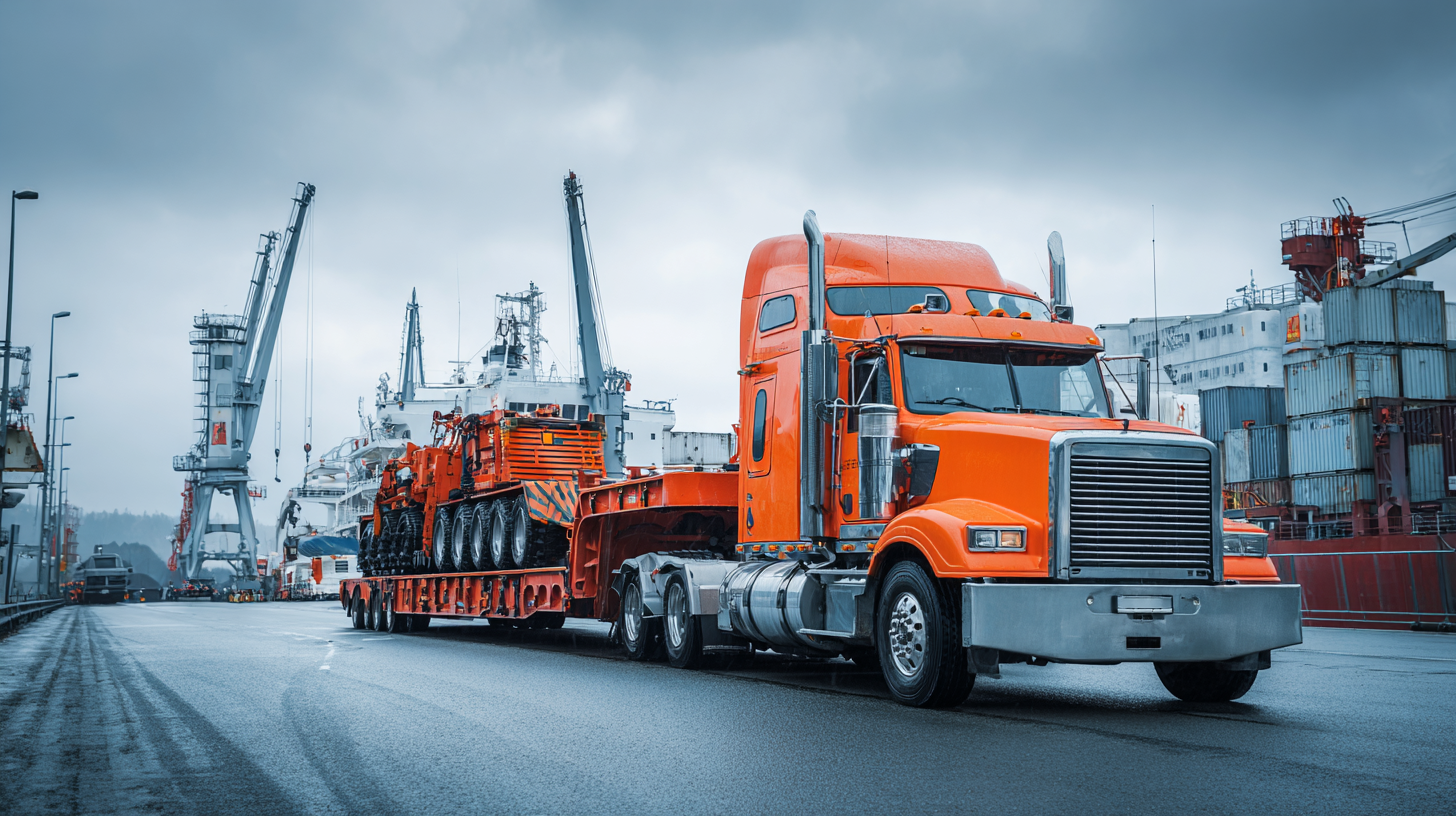
Getting heavy machinery from one place to another efficiently is pretty much a must if you want to keep things running without a hitch in today’s fast-moving industrial world. Moving big, complicated equipment isn’t just about loading it up and hoping for the best—you’ve gotta plan everything carefully to stay safe and avoid costly delays. Things like good logistics, picking the right route, and timing everything just right can make a huge difference in how smoothly the whole operation goes.
Oh, and don’t forget: always check the size and weight of the gear beforehand. It helps you choose the right trucks or transport options so nothing gets left behind or damaged. Keep an eye on road conditions and weather too—that stuff can totally throw a wrench in your plans if you’re not careful. And yeah, getting the necessary permits early on is super important—that way, you won’t run into unexpected hold-ups or fines during transit.
Communication? It’s everything. Setting up clear channels between your transport teams, operators, and site managers means everyone’s on the same page. It’s pretty much the key to smooth sailing. Using tracking tech can also be a game-changer—being able to see where your machinery is in real-time not only keeps things secure but helps you stay ahead of any issues. All these little practices add up—they make the whole process easier, safer, and way less stressful, helping avoid delays or surprises along the way.
Impact of Heavy Machinery Transport on Project Timelines and Costs
Getting heavy machinery from point A to point B is actually a pretty big deal when it comes to keeping industrial projects on track. If those big pieces of equipment don’t arrive on time—or if something goes wrong during transit—things can get delayed pretty easily. And let’s be honest, especially in industries like construction, mining, and manufacturing, timing is everything. You need that gear to be there when you’re ready to roll. Poor planning or logistical hiccups can mean costly downtime, and suddenly, companies end up splurging more to cover for lost productivity.
And honestly, the costs tied to transporting heavy machinery? They're no joke. Delays tend to bump up expenses — think more money spent on labor or renting equipment you’d usually already have. Sometimes, unexpected issues during transportation can rack up additional fees too, making the whole project a lot pricier. So, having a freight process that’s smooth and reliable isn’t just about avoiding delays; it’s about keeping the project within budget and running efficiently. When everything goes according to plan, it helps businesses stay profitable and cut down on the risks of missing deadlines or losing valuable equipment along the way.
Maximizing Machinery Safety: The Role of SDLG 4190000595 Anti-lock NBS510 in Enhanced Security Solutions
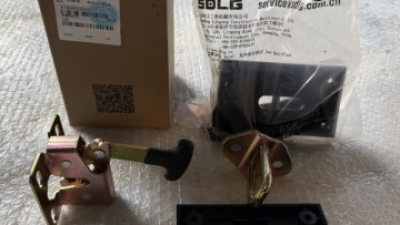
The SDLG 4190000595 Anti-lock NBS510 represents a significant advancement in the realm of machinery safety, particularly for SDLG equipment. As a specialized locking device, it is engineered to prevent unauthorized access and accidental unlocking, addressing common security vulnerabilities that can lead to equipment theft or operational mishaps. This enhanced protection is crucial not only for preserving the machinery itself but also for safeguarding valuable internal components from potential damage or tampering.
Constructed with a robust locking mechanism, the NBS510 is built to endure various working conditions, ensuring consistent and reliable performance. Its durable materials provide an extra layer of resilience, making it an ideal choice for operators dealing with tough environments. Furthermore, the user-friendly design facilitates easy operation, enabling quick access for authorized personnel while maintaining stringent security measures against unauthorized users. This dual capability of convenience and protection marks the NBS510 as an essential upgrade for any operator seeking to enhance the safety profile of their SDLG equipment.
FAQS
: The global heavy equipment transport market is expected to grow at a CAGR of 5.7% during that period.
Innovations in telematics and automation are enhancing efficiency, increasing safety, and reducing transportation costs in heavy machinery transport.
Delays in the transport of heavy machinery can lead to significant project delays, particularly in time-sensitive industries like construction, mining, and manufacturing.
Inadequate planning can result in costly downtime and may force companies to allocate additional resources to cover lost productivity.
Delayed shipments can increase operational expenses, including labor costs and equipment rentals, thereby driving up overall project costs.
Advanced tracking systems enable better navigation of logistical challenges, ensuring timely and efficient delivery of machinery to support industrial projects.
They implement technologies such as route optimization software to ensure their heavy construction equipment reaches customers swiftly and efficiently.
Efficient transport helps in avoiding delays and additional costs, thereby allowing businesses to maximize profitability while minimizing risks associated with machinery transport issues.
They offer a range of equipment, including wheel loaders, luxury mini loaders, backhoe loaders, skid steer loaders, excavators, and motor graders.
By ensuring reliable and efficient heavy machinery transport, companies can keep projects on schedule and control their project budgets effectively.
Conclusion
When it comes to today's industrial scene, Heavy Machinery Transport really plays a crucial role. It's pretty much the backbone for moving vital construction equipment efficiently. You know, with all these infrastructure projects popping up so quickly and the logistics getting more and more complicated, the demand for these services just keeps climbing. Of course, there are challenges—safety concerns and logistics hurdles—that we need to keep in mind to keep everything running smoothly.
Luckily, new tech innovations are shaking things up in the heavy machinery transport game. They're making the whole process more efficient and reliable. By sticking to best practices in transportation, companies can reduce risks and also save time and money on projects. Here at Linyi Weiman Import and Export Co., LTD, we're pretty big on this stuff. As a top supplier of heavy construction gear, we get how critical good transport is for the success of any project—and how it helps us meet the industry's growing demands.
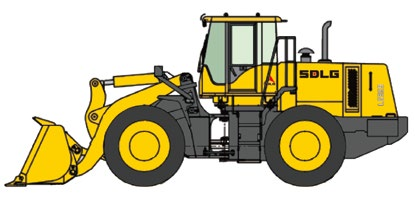 Wheel Loader
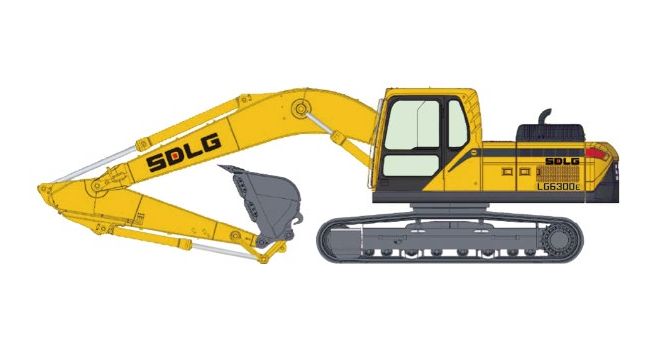 Excavator
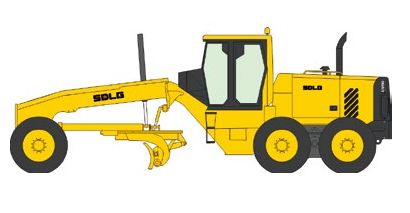 Motor Grader
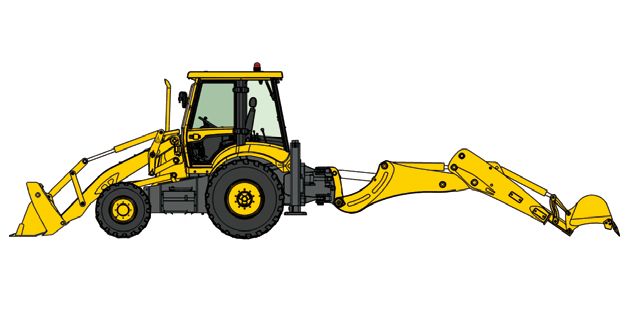 Backhoe Loader
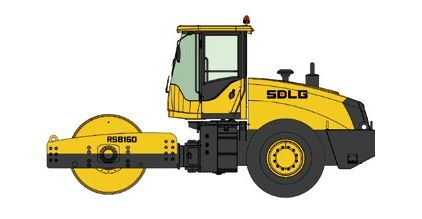 Road Roller
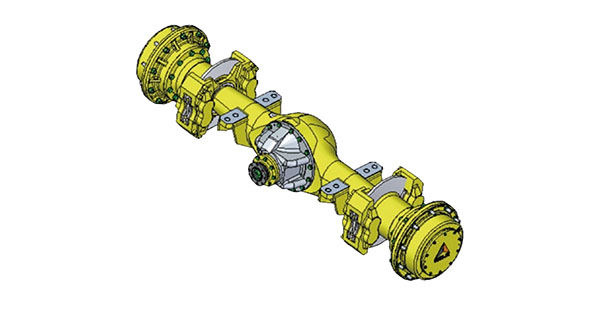 Spare Parts