Leave Your Message
0%

In the fast-paced world of construction, picking the right equipment can really make a difference when it comes to getting things done efficiently. Every project is different—some might need a small, nimble machine, while others call for something more heavy-duty. That’s where Sany Mini Excavators come in—they’ve become a go-to among pros because they’re reliable and packed with the latest tech. As John Smith, a well-known expert and consultant in the excavator scene, puts it, “Choosing the right mini excavator isn’t just about size; it’s about knowing what your project needs and understanding the terrain you’ll be working with.” Sometimes, it’s a bit of trial and error, but getting it right really helps keep things moving smoothly.

When you’re trying to decide which mini excavator is best for your job, think about things like size, power, and what features you really need. The Sany line has a bunch of options that fit different tasks—be it digging, grading, demolition, or landscaping. Their compact design makes them perfect for tight spaces where a big excavator would be awkward or practically impossible to use.

At the end of the day, making the right choice means jobs get done faster and better. By listening to experts like John Smith and checking out what Sany’s mini excavators can do, contractors can make smarter calls that match their project’s unique needs. It’s all about working smarter, not just harder.
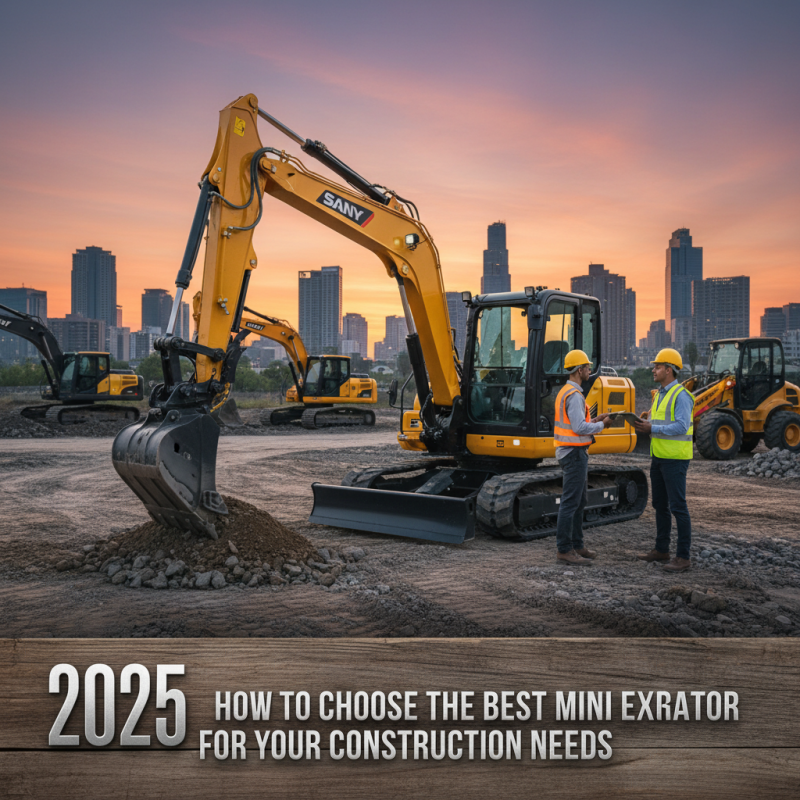
2025 How to Choose the Best Mini Excavator for Your Construction Needs

Understanding Mini Excavators: Key Features and Specifications

2025 How to Choose the Best Mini Excavator for Your Construction Needs

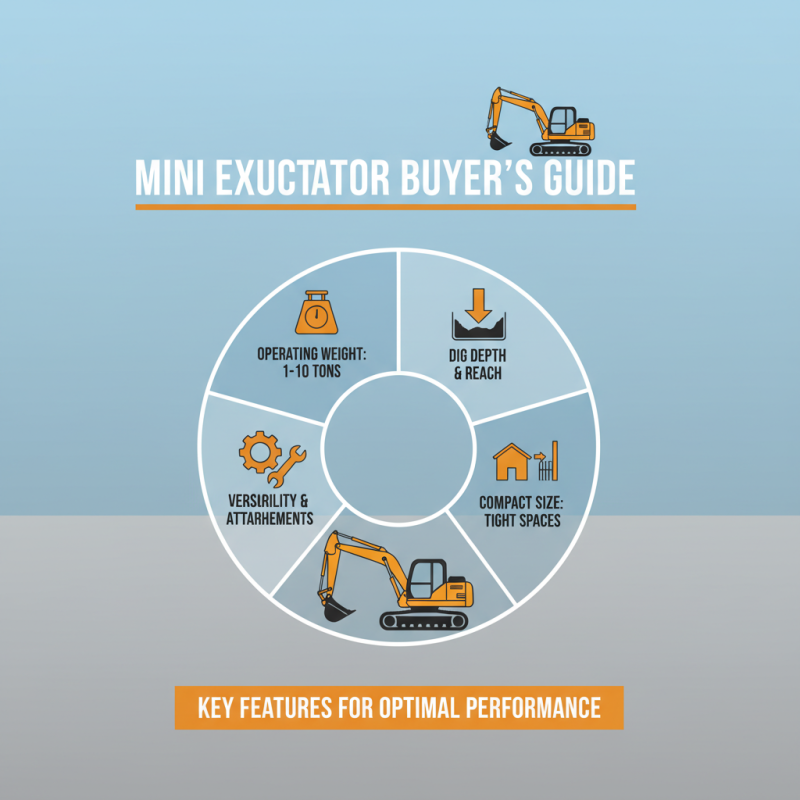
When it comes to choosing a mini excavator for your construction needs, understanding the key features and specifications is essential. Mini excavators come in various sizes and configurations, making them incredibly versatile for different tasks. One of the primary aspects to consider is the machine's operating weight, as this affects stability and performance. Typically, mini excavators weigh between 1 ton and 10 tons, allowing them to navigate tight spaces while still delivering powerful performance. Assessing the depth of dig and reach capabilities is also crucial, as these factors determine how effectively the machine can handle the tasks at hand.

Tips: When evaluating a mini excavator, prioritize the reach and digging depth that best suits your projects. For instance, if you often work in confined areas or need to access hard-to-reach spots, a model with a shorter swing radius would be beneficial. Additionally, consider the hydraulic flow rate, as higher rates can enhance attachment versatility, allowing you to tackle various tasks such as digging, grading, or demolishing efficiently.

Another vital specification is the boom configuration. A traditional boom offers great digging strength, while a zero tail swing option is excellent for jobs in congested areas where space is limited. Moreover, pay attention to the operator comfort features, as an ergonomic seat and ease of controls can boost productivity significantly. Always factor in your specific construction needs to select a mini excavator that will provide the best return on investment and efficiency for your projects.

Assessing Your Construction Needs: Size and Weight Considerations

When selecting a mini excavator for your construction needs, size and weight considerations are paramount. An ideal mini excavator should strike a balance between power and maneuverability. Smaller models are designed for tight spaces, making them perfect for urban environments or residential projects where accessibility may be restricted. Their compact size allows for easy transport and navigation through narrow passages without compromising the machine's operational efficiency.

Weight also plays a crucial role in performance. Lighter mini excavators are generally easier to transport and can cause less damage to the ground surface, which is especially important in landscaping or delicate site conditions. However, the weight should be sufficient to provide stability when digging or lifting heavy loads. Evaluating the weight capacity in relation to your specific tasks—such as excavation depth and load handling—will help determine the best option for your project. Understanding these size and weight factors will ultimately lead to a more effective and efficient construction experience.

Evaluating Engine Performance: Power and Efficiency Factors

When selecting a mini excavator tailored for specific construction needs, engine performance is a crucial factor that demands thorough evaluation. According to the American Rental Association, the majority of projects necessitate a balance between power and efficiency provided by the engine. A mini excavator’s horsepower typically ranges from 10 to 50 HP for compact models, allowing operators to select an engine that best matches their workload demands. For instance, jobs requiring robust digging power often benefit from higher horsepower, while smaller, more intricate tasks may only require lighter engines for optimal fuel consumption.

Efficiency, measured in fuel usage per horsepower, plays a significant role in operational costs and environmental impact. A 2021 report from the Construction Equipment Association highlighted that modern mini excavators are engineered to enhance fuel efficiency, with some models reporting improvements of up to 30% compared to older versions. Moreover, hydraulic systems integrated with the engine contribute significantly to performance metrics. Optimal hydraulic flow ensures that the required power is delivered exactly when needed, thus maximizing both the machine's output and its fuel efficiency. By understanding these performance metrics, buyers can make informed decisions that align with their operational goals, ensuring they select a mini excavator that not only meets their power requirements but also aligns with efficient practices.

Hydraulic Systems: Importance in Mini Excavator Operations

When selecting a mini excavator for construction tasks, understanding the significance of hydraulic systems is crucial. These systems are the backbone of the machine, providing the necessary force and control for various operations. Hydraulic power allows mini excavators to perform tasks such as digging, lifting, and grading with precision and efficiency. The ability to generate high levels of force in a compact machine is what makes mini excavators so versatile and effective on job sites.

A well-designed hydraulic system ensures that the mini excavator can operate smoothly under different load conditions. The relationship between hydraulic fluid, pumps, and cylinders plays a key role in the machine's performance. Proper maintenance of hydraulic components is also essential; any leaks or malfunctions can lead to significant downtime and reduced productivity.

By investing in a mini excavator with a reliable hydraulic system, operators can maximize their efficiency and effectiveness, ensuring that construction projects run smoothly. Understanding these elements is vital for making an informed choice when it comes to selecting the right mini excavator for specific construction needs.

Choosing the Right Attachments for Versatile Applications

When selecting a mini excavator, choosing the right attachments is crucial for maximizing its versatility and efficiency on construction sites. Attachments can transform a basic mini excavator into a multi-functional tool, allowing it to perform a variety of tasks, from digging and grading to demolition and landscaping. The key is to assess the specific needs of your projects and determine which attachments will best complement the capabilities of your mini excavator.

Common attachments include buckets in various sizes for different digging applications, hydraulic thumbs for greater material handling, and augers for posthole digging. Additionally, investing in specialized attachments like grapple claws for lifting and placing heavy materials or tilt buckets for grading can greatly enhance productivity. It’s essential to consider the weight and power of the mini excavator when selecting attachments to ensure optimal performance and safety. By carefully matching attachments to your construction tasks, you can create a highly efficient workflow tailored to the demands of your projects.

2025 How to Choose the Best Mini Excavator for Your Construction Needs - Choosing the Right Attachments for Versatile Applications

Excavator Model Operating Weight (lbs) Engine Power (HP) Max Digging Depth (ft) Popular Attachments
Mini Excavator A 3,500 25 10 Bucket, Hammer
Mini Excavator B 4,000 30 11 Auger, Grapple
Mini Excavator C 6,000 40 12 Tilt Bucket, Ripper
Mini Excavator D 5,500 35 10 Pallet Fork, Compactor

Budgeting for Purchase and Maintenance Costs

When considering the purchase of a mini excavator, budgeting for both initial and ongoing costs is crucial. The upfront cost of the machine can vary significantly based on size, features, and capabilities. It's important to set a clear budget that encompasses not just the purchase price but also potential financing options. Be sure to account for additional expenses such as taxes, insurance, and any necessary attachments that can enhance the excavator’s functionality for your specific construction needs.

In addition to the initial investment, ongoing maintenance costs must be factored into your budget. Regular servicing, replacement parts, and unexpected repairs can add up, so allocating a maintenance fund is advisable. It's beneficial to research the average costs associated with maintaining a mini excavator, such as oil changes and track replacements, to get a comprehensive view of what you might expect. By understanding both the initial purchase costs and long-term maintenance requirements, you can make a more informed decision that aligns with your construction budget and ensures the longevity of your equipment.

2025 Mini Excavator Purchase and Maintenance Costs

Researching Brands and Models: Reliability and Reviews

2025 How to Choose the Best Mini Excavator for Your Construction Needs

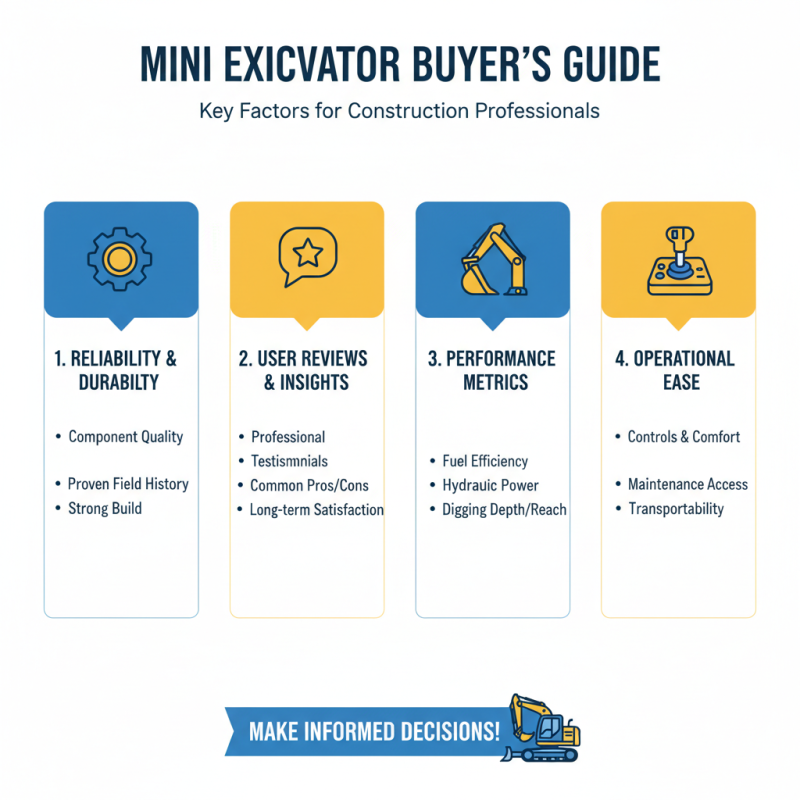
When researching mini excavators for construction needs, reliability and user reviews are crucial factors to consider. Begin by exploring various models from different manufacturers, focusing on those known for durability and performance. Reliability is often demonstrated through the quality of components and the history of the model in the field. Construction professionals typically share insights on their experiences with specific excavators, highlighting strengths such as fuel efficiency, hydraulic power, and ease of operation.

Engaging with online forums, industry publications, and customer feedback platforms can uncover valuable perspectives. Look for patterns in reviews that point to consistent performance or common issues across the same model. Consider both positive and negative feedback—this balanced view can help in understanding the potential long-term ownership experience. In addition to user reviews, it’s wise to check for any independent assessments or ratings from experts in the construction equipment sector, which can further indicate a mini excavator's reliability over time.

Exploring the 12t Medium Compact Hydraulic Excavator E6125f: Features, Benefits, and Competitive Pricing

The 12-ton medium-sized compact hydraulic excavator E6125F stands out in the construction equipment sector, providing a blend of power and versatility suited for various working conditions involving loose materials. This hydraulic excavator is built on a mature mid-excavation platform, ensuring its readiness for demanding tasks. The introduction of a load-sensitive hydraulic system significantly enhances operational efficiency, allowing for better fuel economy and reduced emissions, aligning with industry standards that increasingly prioritize sustainability.

With the E6125F, users can expect advanced technological features. The upgraded engine and electronic control system optimize performance while offering users a comfortable operating environment. According to the latest industry reports, compact excavators in this weight class are seeing a surge in demand due to their ability to maneuver in restricted spaces while still delivering substantial output. The E6125F's design capitalizes on this trend, making it an excellent choice for contractors engaged in earthwork, landscaping, and other projects requiring precision and efficiency.

In terms of pricing, the E6125F is competitively positioned at an ex-works price, making it an attractive option for businesses looking to enhance their fleet without overspending. This focus on cost-efficiency combined with high-performance attributes establishes the E6125F as a leading choice for those seeking to maximize productivity across various loose material working conditions. Industry analyses predict ongoing growth in the compact excavator market, making now an opportune time to invest in equipment like the E6125F that meets both economic and operational needs.

FAQS

: What should I consider regarding size when selecting a mini excavator for construction?

: Size is crucial as smaller models are more suitable for tight spaces and urban environments, allowing for easy transport and navigation without sacrificing operational efficiency.

Why is weight an important consideration for mini excavators?

Weight affects transport ease and ground surface impact. Lighter excavators are easier to move and cause less damage, while sufficient weight is necessary for stability during digging or lifting.

How does engine performance impact mini excavator selection?

Engine performance, including horsepower and efficiency, is key. Higher horsepower is beneficial for robust tasks, while lighter engines may suffice for smaller jobs to optimize fuel consumption.

What role does fuel efficiency play in choosing a mini excavator?

Fuel efficiency impacts operational costs and environmental concerns. Modern excavators often improve fuel efficiency by up to 30% compared to older models.

How do hydraulic systems contribute to mini excavator performance?

Hydraulic systems enhance performance by ensuring optimal hydraulic flow, allowing the machine to deliver the required power precisely when needed, improving output and fuel efficiency.

What types of attachments can enhance the functionality of a mini excavator?

Attachments such as buckets, hydraulic thumbs, augers, grapple claws, and tilt buckets can transform a mini excavator into a versatile tool for various tasks like digging, grading, and demolition.

How should I choose attachments for my mini excavator?

Evaluate the specific needs of your projects and select attachments that complement your mini excavator’s capabilities, ensuring they match its weight and power for optimal performance.

What is the benefit of using specialized attachments with a mini excavator?

Specialized attachments can significantly enhance productivity by allowing the machine to perform diverse functions effectively, streamlining workflow on construction sites.

How can I ensure operational efficiency with a mini excavator?

By understanding size, weight, engine performance, and selecting appropriate attachments, you can create a tailored and efficient operation that meets your specific project demands.

Conclusion

When selecting the best mini excavator for your construction needs, understanding the key features and specifications is crucial. Evaluating factors such as size, weight, and engine performance will help determine which model best suits your project requirements. Power and efficiency are vital, as they directly impact the machine's productivity and operational costs.

Additionally, hydraulic systems play a significant role in the performance of mini excavators, directly influencing their versatility and effectiveness in various tasks. Choosing the right attachments is essential for maximizing the machine's applications. It's also important to budget for not just the initial purchase of equipment like the Sany Mini Excavator, but also ongoing maintenance costs. Finally, conducting thorough research on different brands and models, alongside consideration of reliability and user reviews, will ensure you make an informed decision that meets your construction demands.
Ethan

Ethan

Ethan is a dedicated marketing professional at Linyi Weiman Import and Export Co., Ltd., where he leverages his expertise to enhance the company's online presence and engage with potential clients. With a deep understanding of the company's core products, Ethan regularly updates the company’s......
Previous Ultimate Guide to Selecting Heavy Machinery for Your Business Needs